


Polycarbonate vs. ABS: Which one is the best choice for plastic products? This is one of the common debates among manufacturers today. Both materials are undoubtedly strong, durable, and versatile. But they have different properties, strengths, and weaknesses. This makes them suitable for a wide range of applications.
For example, polycarbonate is known for its high impact resistance and transparency. However, ABS is valued for its affordability and flexibility. Several key distinctions between these two materials help you make an informed decision. In this article, I will compare ABS and polycarbonate in many ways to help you understand which one genuinely stands out. So, let’s get started!
Polycarbonate vs. ABS: Key Differences!

Polycarbonate and ABS are both popular in the manufacturing of plastic products. However, they differ in usability, making them suitable for different products. In the section below, I will discuss the differences between polycarbonate and ABS to help you choose the right one.
1- Strength & Durability
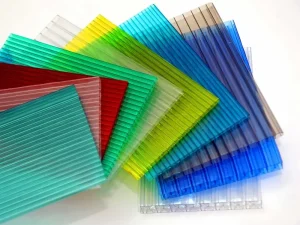
One of the most distinct differences between polycarbonate and ABS is their strength and durability. For example, polycarbonate is an extremely strong and durable material. Why? This is due to its tightly packed molecular structure. This structure efficiently absorbs shock energy. As a result, it can last for a long time without breaking.
On the other hand, ABS is also strong but not as tough as polycarbonate. The strength of ABS comes from its flexibility. If you apply stress to ABS, it will slightly bend to resist breaking. But remember, this flexibility also has limits. Beyond its yield strength, ABS will deform permanently. ABS is strong and flexible, but not as rigid.
2- Impact Resistance
Impact resistance is the ability of a material to absorb sudden forces or shocks without breaking. Remember, the impact resistance property of any material is different from strength. This is another aspect in which ABS and polycarbonate differ. For instance, polycarbonate is known for its exceptional impact resistance. As I said above, it has a tightly packed internal molecular structure.
This allows polycarbonate to distribute the energy of heavy loads. As a result, it can withstand sudden shocks and impacts. That’s also why polycarbonate is called “bulletproof plastic.” On the other hand, ABS is also resistant to impacts and shocks, but not as much as polycarbonate. It has a flexible nature, which naturally allows it to absorb shocks to some extent. However, under high-intensity impact, ABS can deform permanently.
3- Thermal Properties & Heat Resistance
Thermal properties of materials show how much heat they can withstand without softening or melting. If we discuss polycarbonate, it has excellent heat resistance and thermal stability. For instance, it can withstand continuous temperatures up to 125°C (257°F) without losing its shape. This is due to polycarbonate’s slightly higher melting point, which helps it retain its shape at higher temperatures.
That’s why you can often find polycarbonate in electronic housings and protective equipment. Conversely, ABS has moderate heat resistance. For instance, it can withstand continuous heating up to only 80°C (176°F). Above this temperature, ABS begins to soften and deform. Hence, manufacturers usually prefer it for indoor appliances and consumer electrical toys.
4- Chemical Resistance
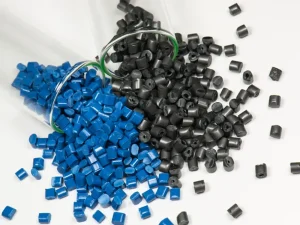
The ability of a material to withstand chemical exposure is called chemical resistance. Both ABS and polycarbonate exhibit varying chemical resistance. For example, polycarbonate has good chemical resistance. It can efficiently withstand harsh chemicals such as alcohol, mild acids, and some oils without damage. However, polycarbonate is less resistant to strong alkalis or to solvents such as acetone.
Exposure to these chemicals causes cracking and clouding in polycarbonate. But if you look at ABS, it shows moderate chemical resistance. It can withstand household chemicals such as detergents, soaps, and vinegar. But when it comes to harsh chemicals, even alcohols, ABS starts showing discoloration. With more aggressive chemicals, ABS can even dissolve.
5- Transparency & Appearance
When choosing a plastic, transparency and appearance matter a lot. ABS and polycarbonate have different levels of transparency. Polycarbonate is a naturally transparent material. This means light can pass through it easily, giving it a reflective appearance. Sometimes, polycarbonate is used as an alternative to glass. However, this transparency also has shortcomings.
If not well-maintained, polycarbonate can show scratches. In contrast, ABS is generally opaque, preventing light from passing through. Due to this opaque nature, it appears to have a smooth, attractive surface finish. You can also apply various colors, coatings, and finishes to attain the desired appearance and design. What I like most about ABS is that its smooth surface does not show scratches like polycarbonate.
6- Flexibility & Hardness
Both flexibility and hardness describe how a material reacts to applied force, but in different ways. Flexibility refers to a material’s maximum ability to bend without breaking. However, hardness refers to a material’s resistance to indentation, i.e., how well it withstands dents. ABS and polycarbonates differ in flexibility and hardness. For example, polycarbonate is a hard, rigid material, but not brittle.
As a result, it can maintain its shape under stress by absorbing most of the load energy. However, polycarbonate is not very flexible. So stress beyond the hardness limit can break it. Conversely, ABS is less rigid but more flexible than polycarbonate. This flexibility is a plus point for absorbing shocks and impacts without breaking. However, the lower hardness of ABS can sometimes compromise strength in some applications.
7- Manufacturing & Moldability
The critical difference between ABS and polycarbonate lies in their manufacturing and moldability. It refers to how easily each material can be manufactured and molded. For instance, if we discuss polycarbonate, it is more challenging to manufacture. Why? As I said above, it is a rigid material with a higher melting point.
As a result, polycarbonate requires controlled manufacturing conditions, advanced machinery, and skilled personnel. In terms of moldability, polycarbonate is also challenging to mold due to internal stress. However, once it is molded, it produces high-precision plastic products.
In contrast, ABS is popular for its ease of manufacturing and moldability. This is due to its flexible nature and low melting point. ABS can be melted easily and flows smoothly through molds, making it the best option for injection molding. Moreover, its manufacturing also requires less energy. That’s why I recommend ABS for mass production.
8- Environmental Sustainability
Both ABS and polycarbonate affect the environment differently. For example, polycarbonate is a durable material that lasts longer. This reduces the need to manufacture new polycarbonate, thereby conserving natural resources. Moreover, polycarbonate is recyclable. However, its recycling is a demanding process that requires more energy, making it less environmentally friendly.
Also, polycarbonate is made using BPA, a chemical known to be harmful to health and the environment. ABS is a more sustainable material than polycarbonate. The reason is that it requires significantly less energy in manufacturing and recycling. This reduces the need for using natural resources. However, the short lifespan of ABS increases the need for replacements. Frequent replacement results in material waste, which can affect the environment.
9- Common Use Cases
Interestingly, both of these plastic materials have different applications. Their main use is to make plastic products. However, they are not used to make the same products. Polycarbonate is used to create products that require greater durability and strength. On the other hand, ABS plastics are preferred when flexibility is a priority, and manufacturers want to save money.
Here is the table showing the key applications of these two plastic materials:
| Uses of Polycarbonate | Uses of ABS |
| Helmets & shields | Toys (LEGO) |
| Machine guards | Electronics housings |
| Headlamps | Home appliances |
| Security panels | Auto interiors |
| Lenses | 3D printing |
| Display covers | Luggage |
10- Cost & Affordability
Cost is another significant difference that differentiates ABS and polycarbonate. For example, polycarbonate is a costly material. The high price of polycarbonate is due to its properties, such as durability, hardness, and heat resistance. Moreover, as I mentioned above, the polycarbonate manufacturing process is also demanding.
It requires high energy, advanced equipment, and skill, which increases its upfront cost. On the other hand, ABS is a less expensive material than polycarbonate. The first reason is its easy manufacturing process, which not only reduces energy costs but also labor costs. The easy recycling of ABS further reduces its cost.
Quick Highlight: No doubt, polycarbonate has a higher initial cost. However, it lasts without deteriorating and performs well in harsh conditions. That’s why you don’t need to replace it frequently, which reduces the cost of new polycarbonate. Therefore, polycarbonate is overall cost-effective in the long run.
Polycarbonate vs. ABS: Which One Should You Choose?
The selection between these two plastic materials depends on your specific requirements. If you need high strength, impact resistance, and heat resistance, choose polycarbonate. But remember, polycarbonate has a higher initial cost. If you want a cost-effective, easy-to-manufacture material, I recommend choosing ABS.
The choice between these two materials depends heavily on where they will be used. If your project is demanding and needs safety, polycarbonate is the best choice, as it has higher impact and heat resistance. Also, polycarbonate is a hard material and can withstand shocks. But you should also know that polycarbonate is expensive.
Conversely, ABS is best suited for general-purpose and consumer products. It is flexible and has a smooth surface. This makes ABS easier to manufacture and recycle. That’s why ABS is a highly cost-effective option. Remember, it doesn’t have much heat resistance or hardness. So I don’t recommend ABS for heat-sensitive applications.
Conclusion
Let’s conclude – and my final verdict favours the polycarbonate plastics. Despite its higher cost, this plastic type offers excellent benefits. Its durability, strength, and impact resistance are key benefits of this material. Additionally, the product made of polycarbonate plastic can withstand high temperatures. On the other hand, ABS plastics are a suitable option for budget-friendly projects. Its low initial cost and excellent flexibility make it stand out. I recommend carefully analyzing both plastic types and then choosing one.
