


Plastic products are everywhere around us. But if you take a closer look, you will notice that not all of them feel or look the same. Some products have a shiny and smooth surface, while others have a rough and matte finish. Have you ever wondered why this is the case? Actually, this difference is not by chance but comes from various injection molding surface finishes.
These finishes are what give a product its unique look and feel. They also decide how the part looks, feels, and even performs in daily use. That’s why choosing the right finish surface is essential, especially if you are new to injection molding. To help you out, this article explains injection molding surface finishes in the easiest words.
What are Injection Molding Surface Finishes?

Let’s first understand the basics of the injection molding surface finishes!
Injection molding surface finishes are the textures applied to the outer layer of parts during the molding process. These finishes are created mainly by treating the mold surface. That surface then transfers the design(finishes) to the part. In simple words, it is the final look and feel that a product gets after it comes out of a mold.
You should know that injection molding finishes are not just about making the product look nice. Instead, they also help the product work better in the real world. HOW? Let’s suppose you have a water bottle that has a smooth and glossy finish. There is a higher chance that this water bottle will slip out of your hands, especially if they are wet. Right?
But if the bottle has a textured or patterned surface, it becomes easier to grip. Here, the surface finish is not just about looks but also affects its function. Another thing I mentioned above is that the surface finish is created directly on the inside walls of the mold. As you know, when molten plastic is injected into this mold, it takes on the exact texture of the cavity.
Now, if the mold is polished until it’s shiny, the plastic part will also come out shiny. However, if the mold surface is rough, the product will have a rough or textured surface. In simple terms, the quality of the mold directly affects the quality of the final product’s finish. Furthermore, mold quality also affects the tolerances of the injection molding process.
SPI Surface Finish Standards
You will find several methods for classifying injection molding surface finishes. However, one of the most popular standards is the SPI (Society of Plastics Industry). These standards are used worldwide to describe the type of surface finish applied to injection-molded parts. SPI standards make things simple for everyone because they act like a common language.
Let me explain it with an example. Suppose you need a molded part with a gleaming surface finish. Instead of saying “I need a shiny surface,” you can use the SPI code. Each code shows the exact type of finish, whether smooth, glossy, matte, or rough. This helps avoid confusion among designers, mold makers, and customers.
Types of Injection Molding Surface Finishes (SPI)
As I said above, every product has its unique requirements. That’s why every finish does not work for every part. To resolve this, SPI created different injection molding finish categories. Each finish type serves a different purpose, whether for aesthetic appeal, durability, or the function of your product. So let’s discuss the main SPI injection molding surface finishes.
Grade A: Glossy Finish
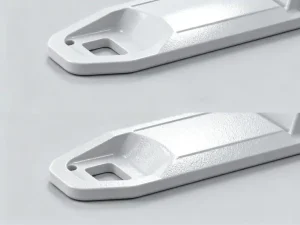
Grade A finish is the smoothest and shiniest type of surface finish in injection molding. Manufacturers typically achieve this type of finish by polishing the mold with fine materials. Even in some cases, they use diamond paste until the surface of the mold becomes extremely shiny. When plastic is molded inside, it copies this shine and comes out with a high-gloss look.
I consider a glossy finish the best choice when appearance is critical. For example, products such as optical lenses require a flawless, reflective surface. A Grade A finish enhances the appearance of these items, making them look premium. Not only this, but it also allows light to pass through clearly for transparency. However, it is also worth noting that glossy finishes have some drawbacks.
The first drawback of a glossy surface finish is that it requires extra care. HOW? As you can see, it is very smooth and shiny. So it can show scratches, fingerprints, and dust more easily. You might have noticed this on your phone’s shiny back cover. It looks beautiful but requires a lot of care. Moreover, the grade A finishes are costly. WHY? It requires very fine diamond polishing and extra time to create a perfectly smooth mold.
Grade B: Semi-Glossy Finish
Grade B finish is a medium-level smooth finish for injection molding. If Grade A is like a mirror, then Grade B is more like a soft shine. It’s not completely glossy, but it’s not dull either. Moreover, the mold for a semi-glossy finish is polished but not to the extreme level of A Grade. Manufacturers usually use tools like fine sandpaper instead of diamond paste. This gives the surface a smooth look with a gentle shine.
You can find grade B surface finish inside the car panels, the body of appliances, or even the casing. These items don’t shine like glass, but they also don’t look completely flat. This middle-range shine makes the product feel neat yet practical. Personally, I like this type of finish because it hides minor scratches and fingerprints more effectively than a glossy one.
You don’t need to take much care of your products. Even if stains appear, you can wipe them effortlessly. Another big reason why Grade B is popular is its cost-effectiveness. It doesn’t require very fine and time-consuming polishing. It saves money during the mold-making process. This means you can produce parts that look good, without spending extra on high-gloss treatments.
Grade C: Matte Finish
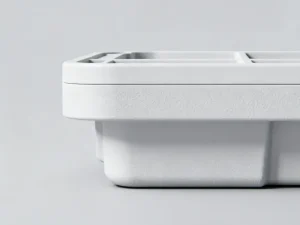
Another popular SPI injection molding surface finish you will come across. Unlike glossy or semi-glossy surfaces, this type of finish has very little shine. WHY? Actually, the reason lies in the mold production. For this surface finish, manufacturers polish the mold with fine stone. This polish creates a smooth surface with a soft, flat, matte look.
When you touch it, it feels even and pleasant, but not slippery or shiny. You’ve definitely seen this finish in your daily life. Let me remind you about the outer cover of the power bank and the handles of the tools. These products don’t need to look fancy or reflective. Instead, they need to feel solid and easy to hold. Right? That’s precisely what the matte finish does. It is more about function than looks.
One thing I like about Grade C is that it’s low-maintenance. Unlike glossy finishes, it doesn’t show fingerprints, dust, or smudges easily. As a result, you don’t need to worry about regular cleaning, which sometimes feels frustrating. Another significant benefit the matte finish offers is its low cost. Grade C doesn’t require expensive diamond polishing. Hence, it’s cheaper to achieve compared to glossy finishes.
Grade D: Textured Finish
As the name suggests, this type of injection molding finish is rough. Grade D finishes focus on one main thing—giving you grip and toughness. When you touch the textured finish, it does not feel smooth. This is because manufacturers roughen the mold with sandblasting or chemical etching. These methods create the pattern on the surface, which feels rough.
However, these patterns can be light or deep, depending on the grip the product requires. You can find Grade D finishes mainly in outdoor equipment, remote controls, or even some kitchen appliances. When you hold them, you don’t have to worry about slipping. WHY? Because the texture finish helps you maintain a steady grip.
The best part of a Grade D finish is that it is great at hiding imperfections. The scratches, dust, and fingerprints perfectly blend into the textured surface and do not show any sign. That makes it perfect for things you use every day and don’t want to look worn out too quickly. Additionally, textured finishes usually cost you less than glossy ones. They don’t need expensive glossy molds, which reduces overall cost.
Factors That Affect Injection Molding Surface Finish
Now that you know the different grades of finishes, let’s take a step back and see what actually shapes these results. Remember, the types of plastic molding finishes don’t happen by chance. Instead, several factors determine how the final product looks and feels. Before deciding on a specific injection molding finish, let’s discuss the factors that truly influence it.
- Tooling: When I talk about tooling, it means the mold itself. The quality of the mold directly affects the smoothness or roughness of your product. So if the mold is polished well, you get a shiny finish. On the other hand, if it’s not treated correctly, the product will also appear rough.
- Material Choice: The type of plastic you pick makes a big difference in the finish. Some plastics naturally have a shiny appearance, while others exhibit a dull or matte finish. For instance, ABS can look smooth, but polypropylene often feels rough. Therefore, if you want your part to have a certain appearance, you must match the material with the finish you’re aiming for.
- Mold Polishing Method: Another factor affecting injection molding finishes is the method used to polish the mold. If the mold is polished with fine tools(diamond), you get a smooth and glossy surface. However, if it’s polished roughly or left with patterns, the part you get will have a matte or textured look.
- Ejection Method: After molding, the molded part must be removed from the mold. So the way you eject the product also affects the finish of the product. For instance, if the ejection is smooth, the surface stays clean. However, if the pins push too hard or unevenly, they can leave marks or scratches on the part.
- Processing Parameters: Processing parameters actually refer to the settings you use during molding. This includes temperature, pressure, and cooling time. If the temperature is too high, the surface of the products might get defects or burn marks. However, if the cooling is uneven, you might see warping or dull spots. Therefore, controlling these parameters is crucial to avoiding plastic injection molding defects.
Frequently Asked Questions
Do environmental conditions affect surface finishes?
Yes, environmental conditions can affect the surface finishes. Factors such as temperature, humidity, and dust in the molding area can affect the final surface appearance. For example, excessive moisture may cause marks or minor defects on the part.
Can a mold have multiple surface finishes on one part?
Yes, a mold can have multiple surface finishes on one part. A single mold can be designed with different textures or polish levels in separate areas. As a result, you will get both glossy and matte finishes in one product simultaneously.
Can laser engraving be used for surface finishing?
Yes! Laser engraving can be used for surface finishes. Laser engraving creates patterns, textures, or even logos directly on the mold or product surface. This method is ideal for adding fine details or creating a unique design without requiring additional steps.
Conclusion
Injection molding surface finishes are more than looks. They determine how a product feels, performs, and lasts in real-world use. You will see several types of molding finishes, each varying in appearance and functionality. However, in this article, I have issued some standard finishes according to SPI. Each of those injection molding finish types possesses unique strengths and limitations.
For example, A and B grade finishes are highly glossy yet expensive. On the other hand, B and C grade finishes offer a steady grip and are available at lower prices. However, remember that the type of finish you choose highly depends on the nature of your project. Therefore, I advise you to match the design, material, and purpose of the part, and select the right finish.
